
A quinceañera is a traditional celebration held in many Latin American cultures, especially in Mexico, to honor a girl’s fifteenth birthday. More than an ordinary birthday party, a quinceañera marks an important milestone in a young girl’s life as she transitions from childhood into young adulthood. The celebration brings together family, faith, culture, and community, making it one of the most meaningful events in many families’ lives.
The word quinceañera comes from the Spanish words “quince” (fifteen) and “años” (years). While it refers to the girl who is turning fifteen, it also describes the celebration held in her honor. The tradition dates back hundreds of years and began during the colonial period, when Spanish customs blended with Indigenous traditions. Historically, a quinceañera marked a girl’s readiness for adult responsibilities. Today, the celebration focuses less on adulthood and marriage and more on personal growth, family values, and cultural pride.
Most quinceañeras begin with a religious ceremony, usually a Catholic Mass. During this service, the young woman gives thanks for her life and receives blessings for her future. She may present flowers at the altar and receive religious items such as a Bible or rosary from her godparents. This ceremony highlights the importance of faith and responsibility in her life and sets a respectful tone for the celebration that follows.
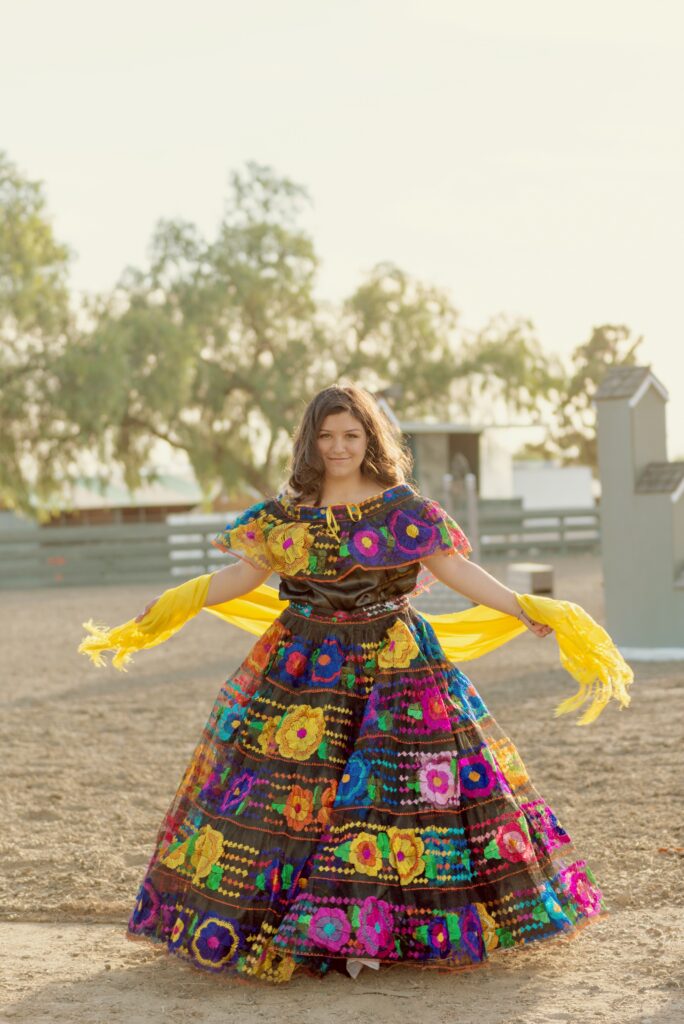
After the church service, the celebration continues with a formal party or reception. The quinceañera typically wears an elegant gown, often resembling a princess-style ball dress, and is accompanied by a court of honor made up of friends and relatives called damas (girls) and chambelanes (boys). These attendants often participate in choreographed dances that symbolize unity, friendship, and support. One of the most emotional moments is the father-daughter dance, which represents the bond between the quinceañera and her family.
Several traditions during the celebration carry deep symbolic meaning. One is la última muñeca (the last doll), which represents the end of childhood. Another is the changing of the shoes, where her flat shoes are replaced with high heels, symbolizing her growth and maturity. Jewelry given by parents or godparents represents love, guidance, and protection as she moves forward in life. Each tradition reinforces the idea that she is entering a new stage with the support of her family and community.
In many Mexican families, the quinceañera is considered just as important as a wedding. Families may plan for years and work together to organize the event. Even today, modern quinceañeras often blend traditional customs with personal interests, such as modern music or personalized decorations. Despite these changes, the heart of the celebration remains the same: honoring heritage, strengthening family bonds, and celebrating a young woman’s journey into the future.
To learn more about quinceañeras check out ibarraimports.com