
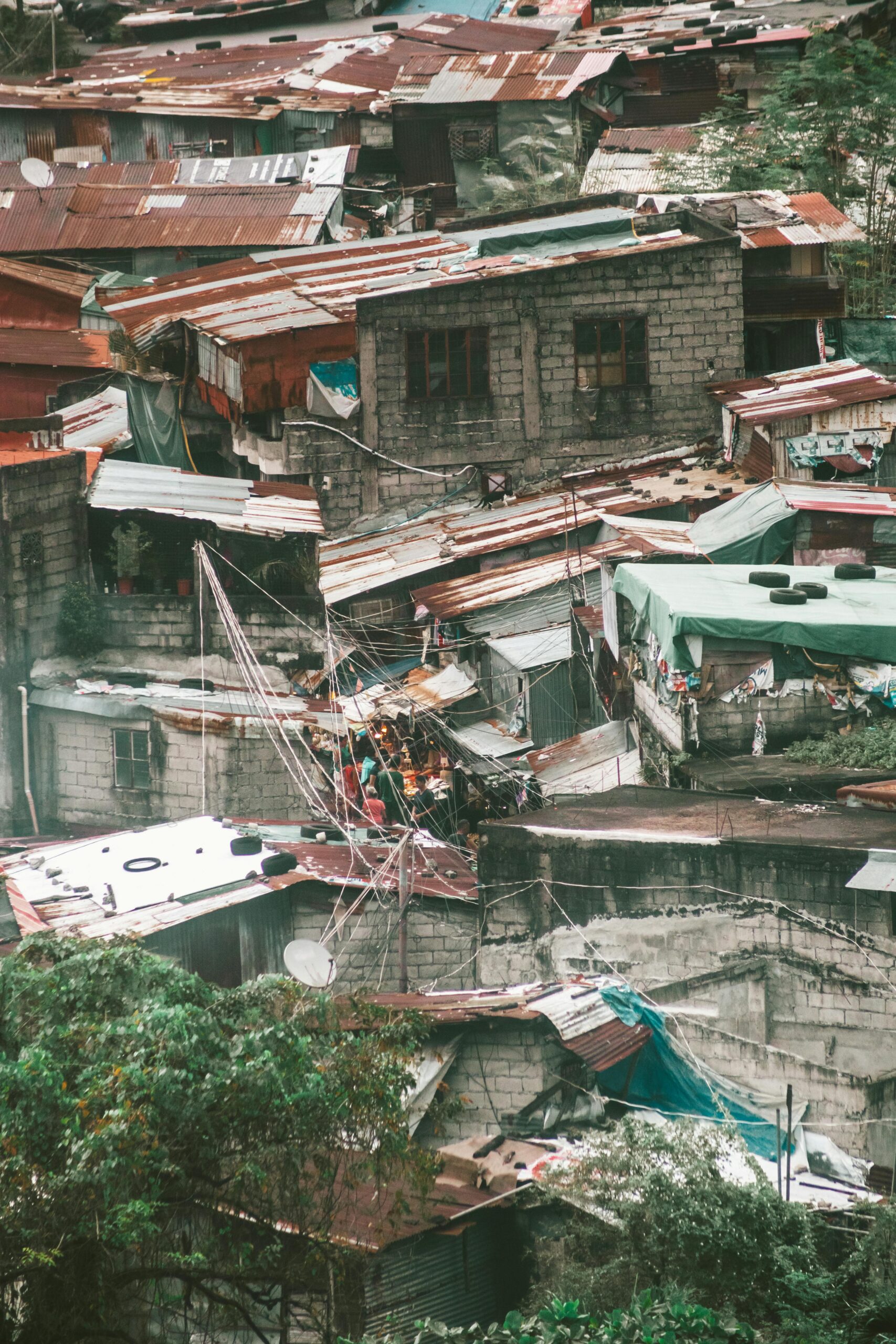
Poverty in Mexico remains a serious social issue that affects millions of people across the country. Although Mexico has one of the largest economies in the world, a significant portion of the population struggles to meet basic needs such as access to clean water, healthcare, education, and safe housing. Poverty in Mexico is deeply connected to inequality, corruption, limited public services, and unequal access to opportunities, especially in rural areas. Understanding the causes and effects of poverty helps explain why many families continue to face hardship despite the country’s economic strength.
Causes of Poverty in Mexico
Mexico is not a poor country in terms of national wealth, but wealth is unevenly distributed. A very small percentage of the population controls a large amount of the country’s resources, while millions live below the national poverty line. Between 2018 and 2020, extreme poverty increased by over two million people, leaving nearly 44% of the population living in poverty. Corruption plays a major role in this inequality by diverting money away from public services such as education, healthcare, and infrastructure.
Rural areas are especially affected. States such as Chiapas and Oaxaca experience poverty rates above 60%, largely due to limited infrastructure, fewer job opportunities, and weak access to social support. Many people in these areas depend on informal jobs that do not provide social security or a stable income. As a result, approximately 12 million Mexicans work in the informal economy, where exploitation is common and protections are minimal.
Crime and insecurity also contribute to poverty. A large percentage of crimes go unreported, and weak enforcement of laws discourages economic development. The presence of organized crime and lack of accountability impact job creation and public trust in institutions, further limiting opportunities for low‑income families.
Health and Nutrition Challenges
Limited access to healthcare is another major factor affecting poverty in Mexico. Millions of people lack consistent medical coverage, and public healthcare systems often suffer from underfunding. Poor access to healthcare forces families to spend large portions of their income on treatment or go without care entirely. Additionally, about 30% of the population experiences nutritional problems, as many families cannot afford sufficient or healthy food, which leads to childhood underdevelopment and long‑term health issues.
The COVID‑19 pandemic worsened existing conditions by increasing unemployment, reducing access to healthcare, and pushing more families into poverty. These challenges continue to affect economic growth and quality of life for vulnerable populations.
Education and Opportunity
Education is one of the most significant pathways out of poverty, yet access remains unequal in Mexico. Only about 62% of children reach high school, and rural areas often have fewer schools and resources. The shift to remote learning during the pandemic further reduced educational access for low‑income students who lacked internet or technology. Without education and job skills, many individuals are trapped in low‑wage or unstable employment, reinforcing the cycle of poverty.
Efforts to Reduce Poverty
Despite these challenges, there are efforts to address poverty in Mexico. Organizations such as The Hunger Project work to empower communities by supporting education, healthcare, clean water systems, and local food production. In states like Oaxaca, these programs have helped families become more self‑reliant and improve living conditions. Such initiatives offer hope that continued investment in community development can reduce inequality and poverty over time.
To learn more about Mexico’s Poverty, check out: borgenproject.org