
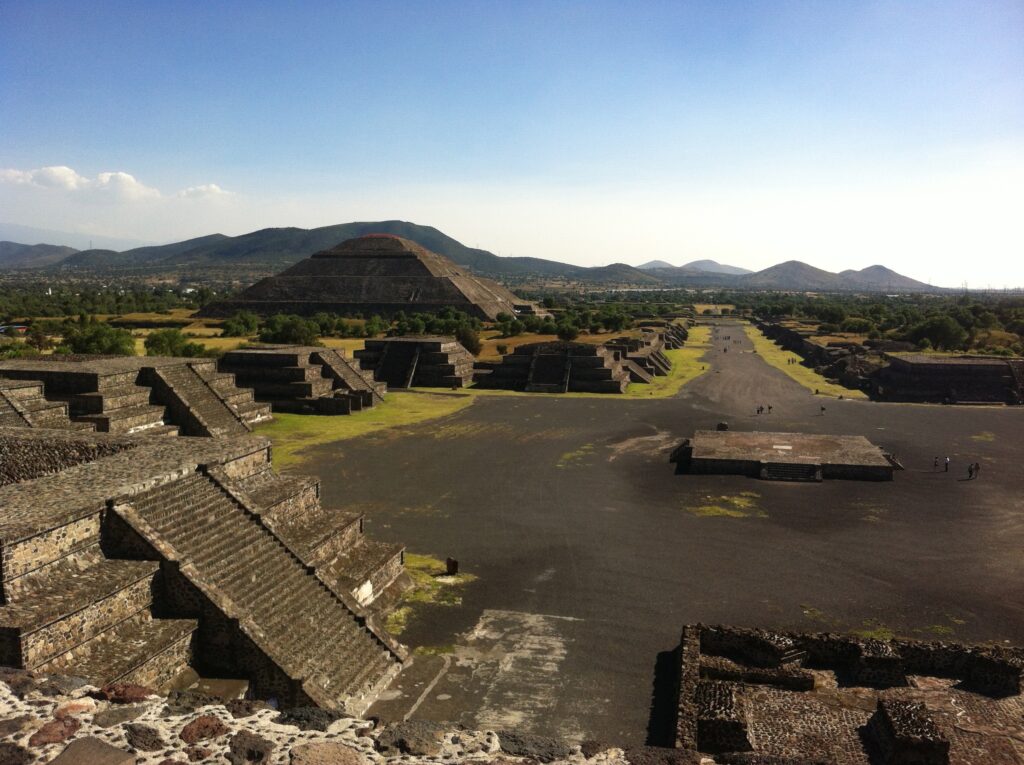
The religion of the Mexica people formed the spiritual foundation of one of the most powerful civilizations in pre‑Columbian Mesoamerica. Deeply connected to nature, time, and the survival of the universe, Mexica beliefs centered on honoring many gods through rituals, ceremonies, and offerings. Religion influenced nearly every aspect of life, including agriculture, warfare, leadership, and daily responsibilities. This page explores the core beliefs, gods, and practices of the Mexica religion and explains how these ancient traditions helped shape cultural practices that still influence Mexico today.
The Mexica religion was a complex belief system practiced by the Mexica people (often called the Aztecs), who ruled a powerful empire in central Mexico during the 15th and early 16th centuries. Their religion was polytheistic, meaning they worshipped many gods, and it was deeply connected to nature, agriculture, warfare, and the survival of the universe itself. Mexica beliefs absorbed ideas from earlier Mesoamerican cultures, such as the Maya, creating a shared worldview across the region.
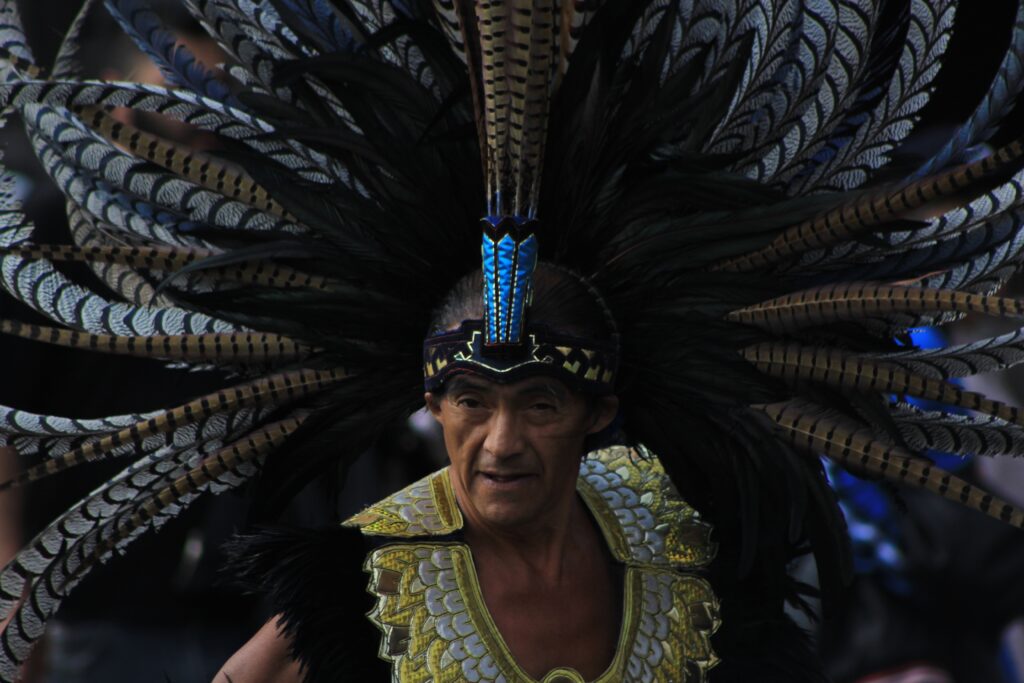
Religion was closely tied to the calendar system, which consisted of a 365‑day solar calendar and a 260‑day sacred calendar. These calendars dictated festivals, ceremonies, and rituals throughout the year. A large and organized priesthood oversaw religious education, ceremonies, astrology, and temple life, making religion a central part of government and social order
One of the most well‑known aspects of Mexica religion was human sacrifice, which the Mexica believed was necessary to repay the gods for their own sacrifices in creating the world. Blood, especially the human heart, was considered the most powerful offering and was given to nourish the sun so it would continue to move across the sky. In addition to sacrifice, bloodletting rituals were also practiced by priests and nobles as acts of devotion.
Beliefs about the afterlife depended on how a person died rather than moral behavior. Warriors who died in battle, people sacrificed to the gods, and women who died in childbirth were believed to accompany the sun, while others traveled to Mictlan, the underworld ruled by the god Mictlantecuhtli.
Although the Mexica religion declined after Spanish colonization, many of its beliefs and symbols continue to influence Mexican traditions today, especially in blended celebrations such as Día de los Muertos.
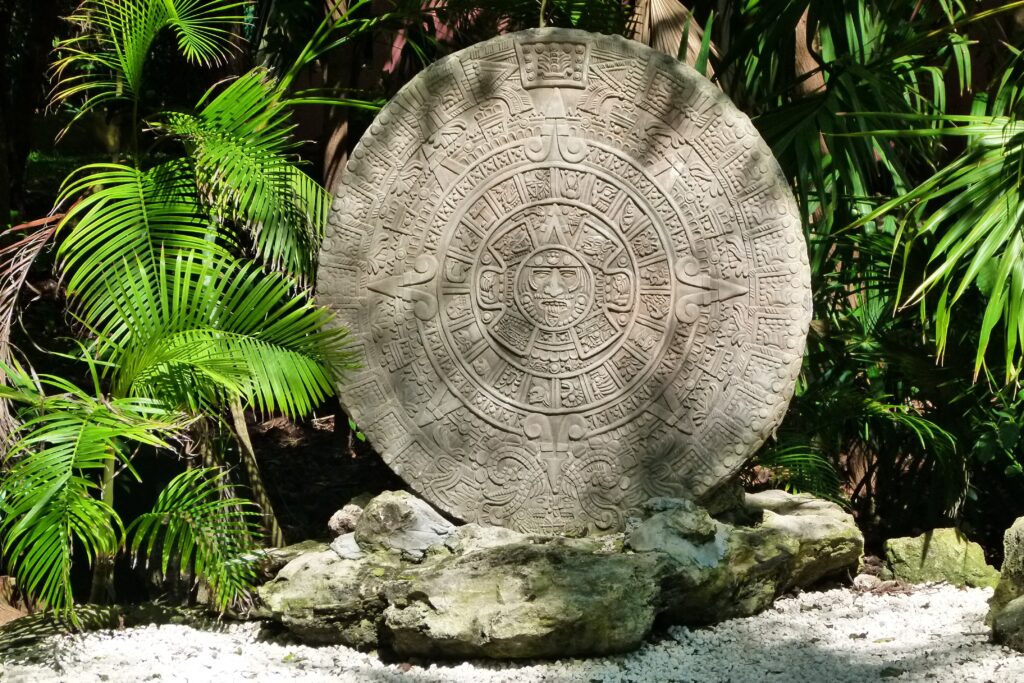
The Mexica believed that the universe was unstable and constantly at risk of destruction. According to their mythology, the world had already been created and destroyed four times, and the current age—known as the Sun of Fire—would also eventually end. Because of this belief, humans had a sacred responsibility to help sustain the gods and keep the universe in balance.
The gods played central roles in Mexica religious life. Important deities included Huitzilopochtli, the god of the sun and war; Tlaloc, the god of rain and agriculture; Tonatiuh, the sun god; and Quetzalcóatl, the Feathered Serpent, associated with knowledge, creation, and culture. Each god influenced different parts of daily life, from farming and weather to war and leadership.
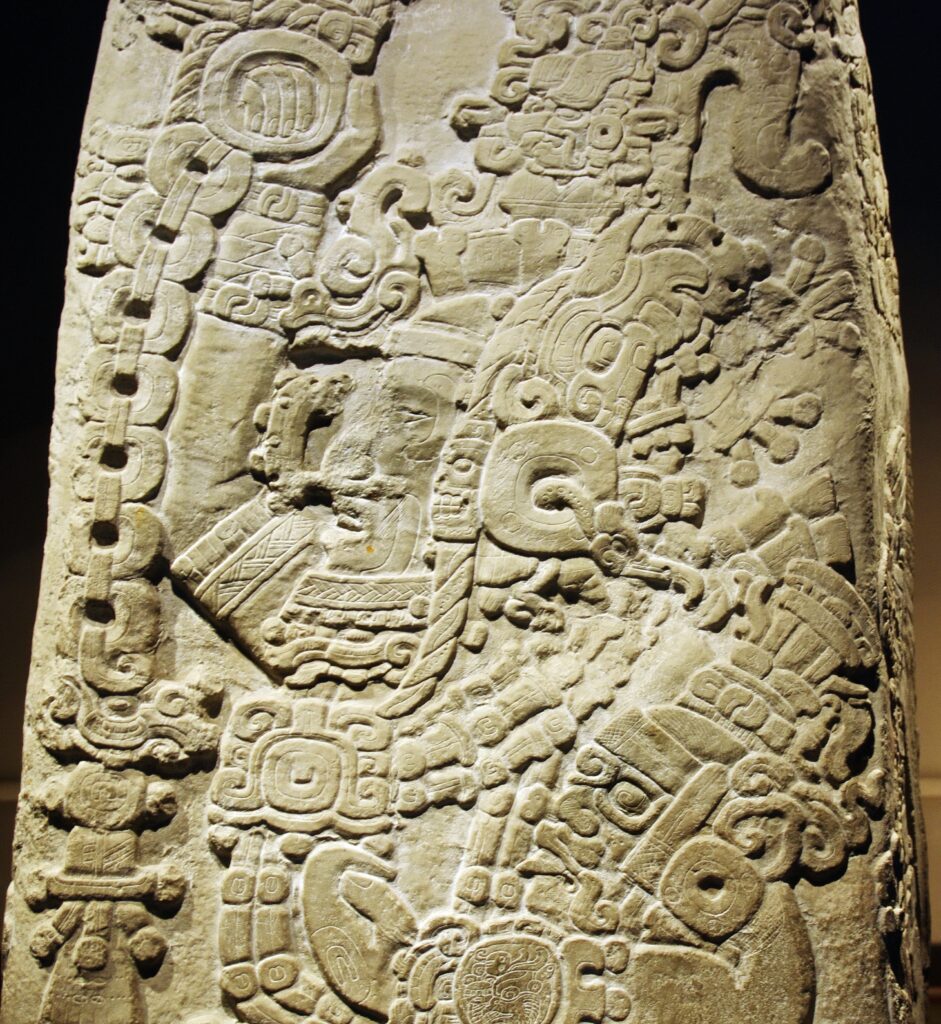
To learn more about the Aztecs and their Mexica religion, check out Britannica.com