
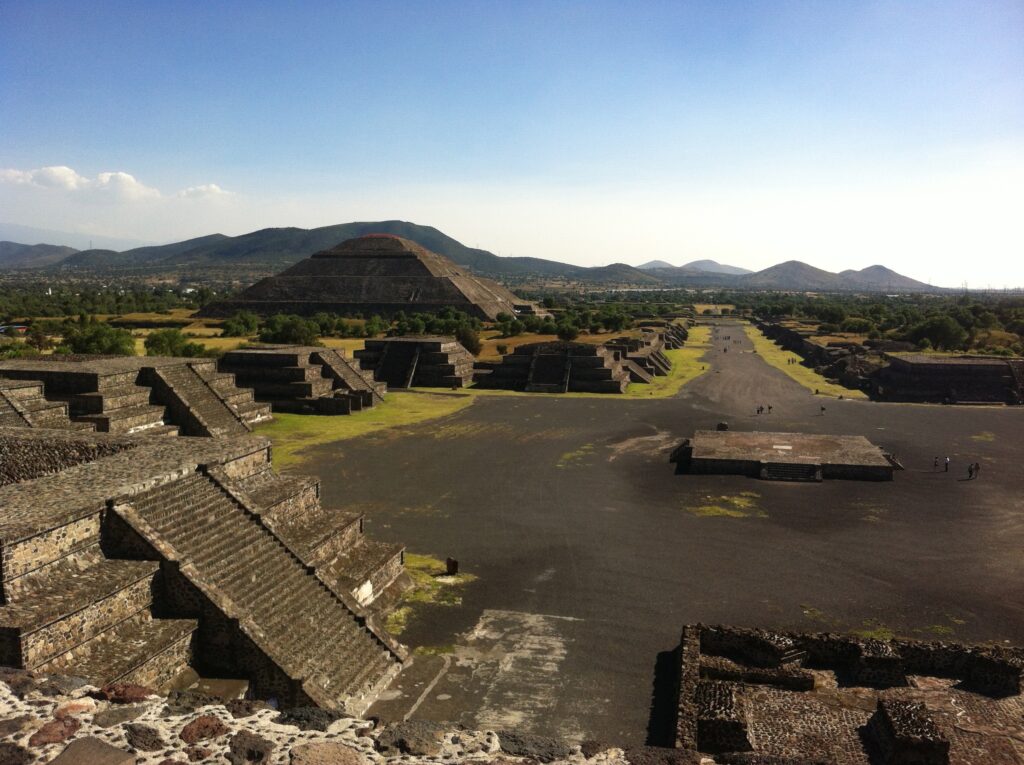
Catholicism has played a central role in shaping Mexico’s culture, traditions, and national identity for centuries. Introduced during Spanish colonization, the Catholic faith became deeply woven into everyday life, influencing family customs, celebrations, language, and community values. While religious practices have evolved, Catholic symbols, rituals, and beliefs remain highly visible across Mexico today. This page explores how Catholicism developed in Mexico, how it is practiced in daily life, and how it has blended with Indigenous traditions to create uniquely Mexican forms of faith and celebration.
Catholicism is the most influential religion in Mexico and plays a major role in shaping the country’s culture, traditions, and national identity. Although Mexico does not have an official state religion, Roman Catholicism has been the dominant faith since its introduction by Spanish colonists in the 16th century. Today, around three‑quarters of the Mexican population identify as Catholic, and many view the religion as an important part of their family heritage and cultural identity, even if they do not attend church regularly.
In Mexico, Catholicism extends beyond formal worship and is deeply woven into daily life, language, and public spaces. Religious expressions such as “Gracias a Dios” (thank God) or “Si Dios quiere” (God willing) are commonly used in conversation. Many people show respect by making the sign of the cross when passing a church or altar, and religious images and statues are often displayed in homes, businesses, and neighborhoods. Faith is especially visible during festivals and celebrations, where even non‑religious individuals may participate.
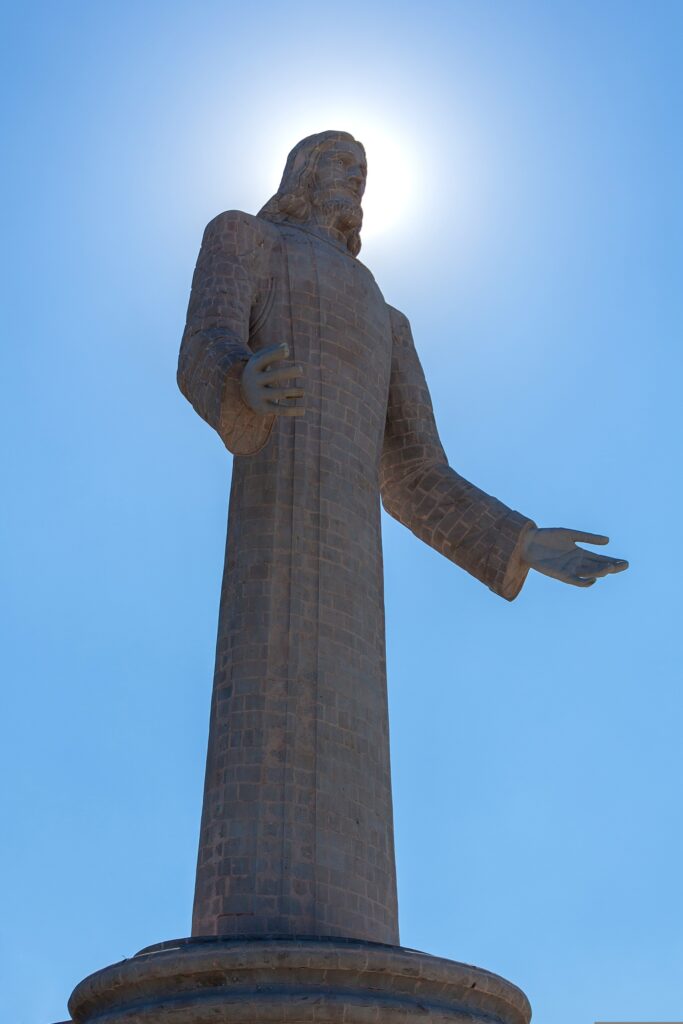
Overall, Catholicism in Mexico is not only a religion but a cultural foundation that continues to influence traditions, celebrations, and identity. Its blending with Indigenous beliefs over time has created a unique form of worship that remains central to Mexican life today.
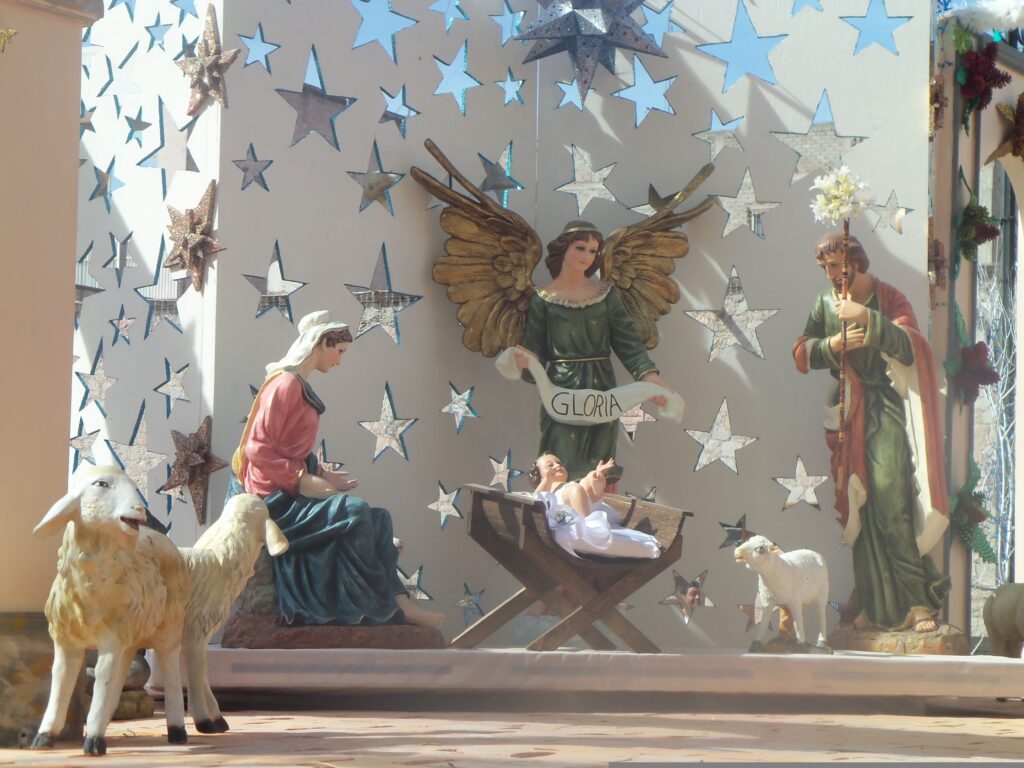
Catholicism also marks the major milestones of life in Mexico. Events such as baptism, first communion, confirmation, marriage, and last rites are considered important rites of passage. These ceremonies reflect the strong connection between religion, family, and community. While levels of personal religious practice vary, Catholic traditions remain a key way that families come together and pass values from one generation to the next.
One of the most important symbols of Mexican Catholicism is La Virgen de Guadalupe (the Virgin of Guadalupe), Mexico’s patron saint. She is believed to have appeared to an Indigenous man and spoken in his native language, making her a powerful symbol of the blending of Indigenous traditions and Catholic belief. The Virgin of Guadalupe is seen as the spiritual mother of the Mexican people and is one of the most recognizable religious and national symbols in the country. Millions of pilgrims visit the Basilica of Our Lady of Guadalupe each year, making it the most visited Catholic pilgrimage site in the world.
To learn more about catholicism in mexico, check out cultural Atlas.com