
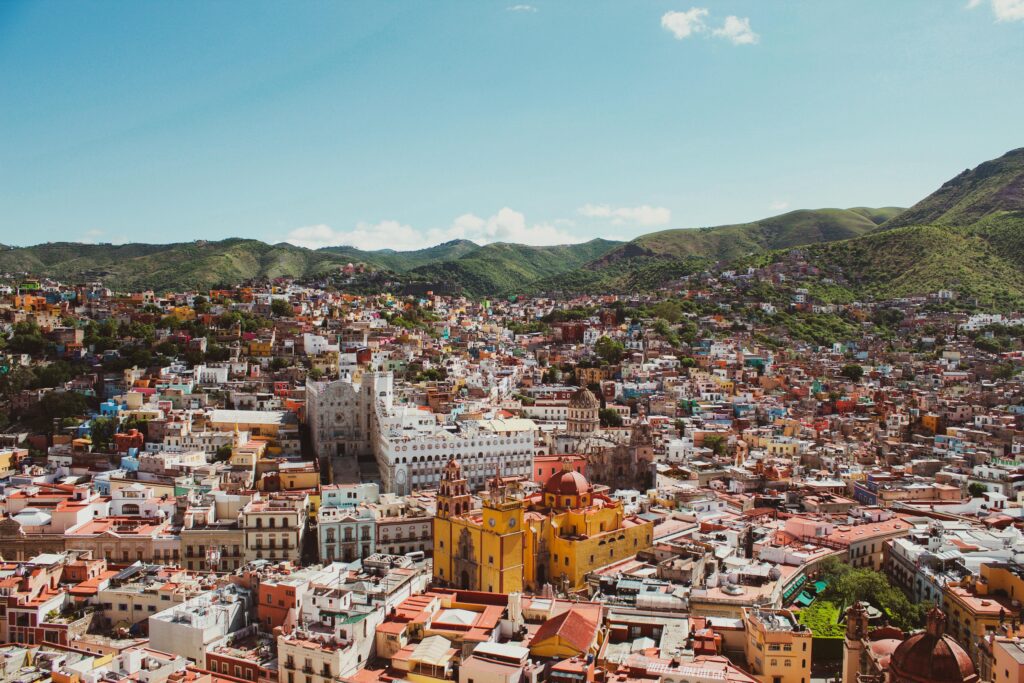
Religion in modern Mexico reflects a dynamic blend of tradition, culture, and personal belief. While Catholicism continues to shape many customs and celebrations, religious practice today is far more diverse and flexible than in the past. Ancient Indigenous traditions, newer Christian movements, folk beliefs, and individual spirituality all coexist, creating unique expressions of faith that vary by region and community. This page explores how religion in Mexico has evolved and how modern Mexicans interpret and practice spirituality in ways that reflect both historical roots and contemporary life.
Religion in modern Mexico reflects a unique blend of tradition, diversity, and personal spirituality shaped by centuries of history. While Catholicism remains the dominant faith and cultural foundation, religious life in Mexico today is no longer defined by a single belief system. Instead, modern Mexican spirituality is characterized by syncretism, religious diversity, and flexible personal practice that blends Indigenous traditions, Catholic beliefs, and newer religious movements.
Many Mexicans continue to identify as Catholic, but modern religious practice is often less centered on regular church attendance and more focused on cultural traditions, festivals, and personal expressions of faith. Celebrations such as Día de los Muertos and the Feast of the Virgin of Guadalupe remain deeply meaningful, even for people who may not consider themselves strictly religious. Faith is often expressed through rituals, home altars, pilgrimages, and devotion to saints rather than formal worship alone.
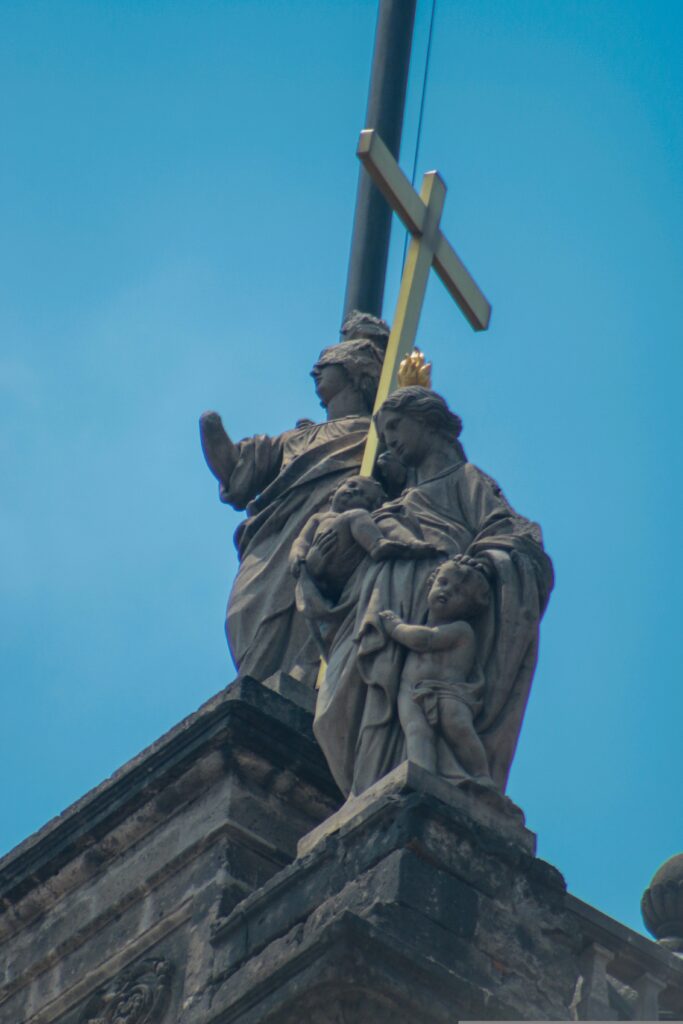
In addition, some modern spiritual movements exist outside traditional religious institutions. Folk saints such as Santa Muerte and figures like Jesús Malverde are venerated by some communities, particularly those who feel marginalized or disconnected from the Catholic Church. While not officially recognized, these practices reflect how many Mexicans seek spiritual support that feels more directly connected to their everyday struggles and realities.
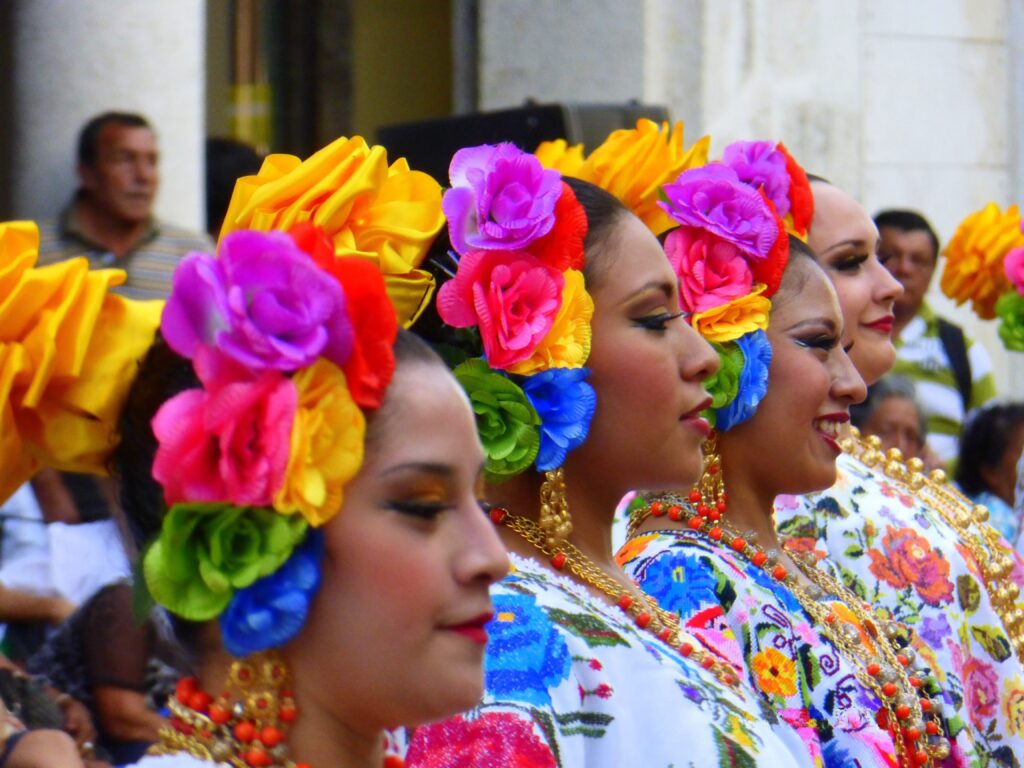
A defining feature of modern religion in Mexico is religious syncretism, the blending of Indigenous spiritual beliefs with Catholic traditions. Ancient practices rooted in Mexica and Maya religions—such as honoring ancestors, respecting nature, and performing rituals for protection or healing—continue today, especially in rural and Indigenous communities. These beliefs have been adapted to coexist with Catholic symbols, creating spiritual practices that are deeply personal and culturally meaningful.
Modern Mexico is also becoming increasingly religiously diverse. Protestant denominations, particularly Evangelical and Pentecostal churches, have grown significantly in recent decades, especially in northern and rural regions. Smaller communities of Jews, Muslims, Buddhists, and other faiths are also present, reflecting Mexico’s growing exposure to global cultures and migration. This diversity has contributed to greater acceptance of different beliefs and practices across the country.
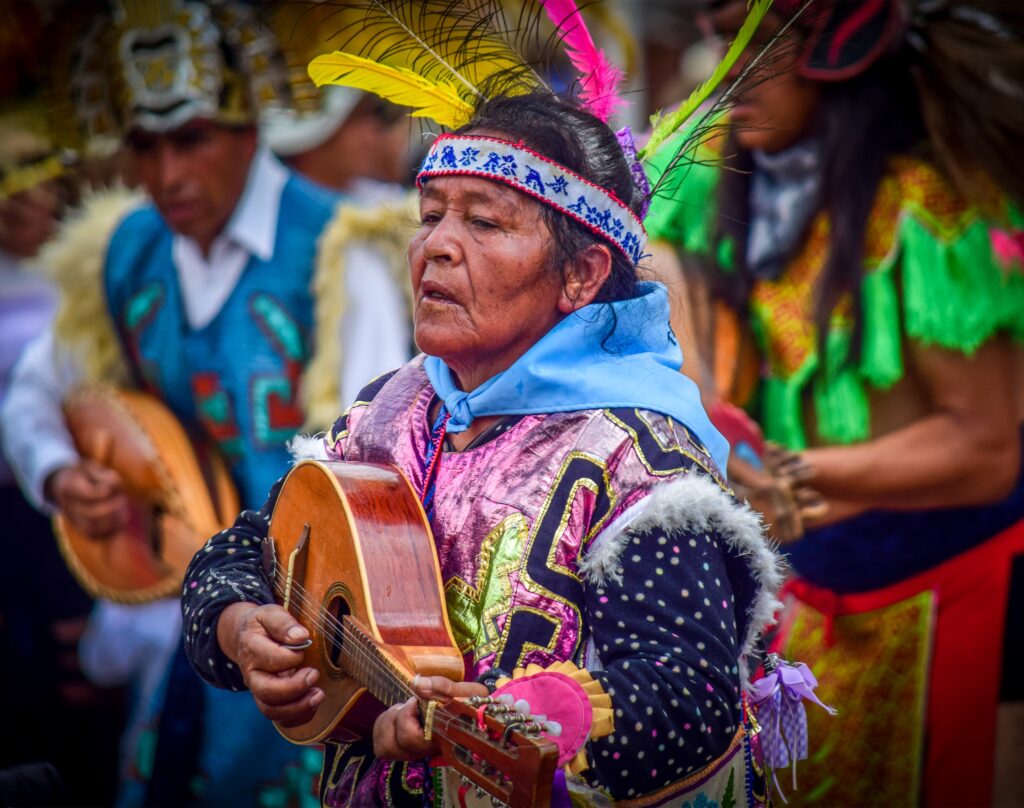
Overall, modern interpretations of religion in Mexico emphasize identity, cultural continuity, and personal meaning rather than strict religious rules. Faith continues to evolve, combining ancient traditions with modern values, and remains a powerful force shaping Mexican culture, community life, and individual belief.
To learn more about Modern Mexico, check out VibeAdventures.com