
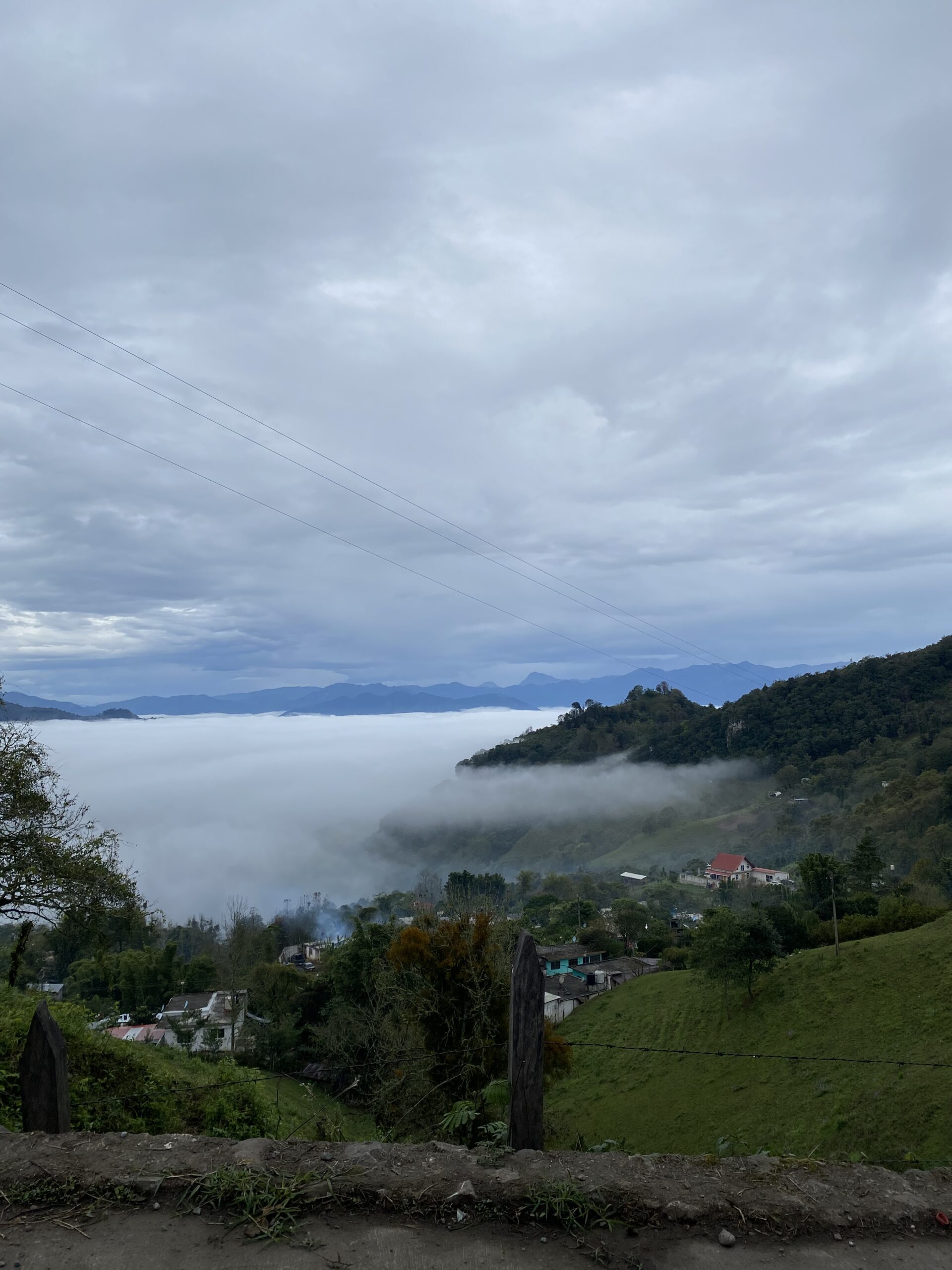
Living in the Mexican countryside offers a peaceful alternative to the fast‑paced life of large urban centers. Many people—both Mexicans and foreign residents—are drawn to rural and semi‑rural areas because of the slower pace of life, scenic landscapes, and strong sense of community. However, countryside living also requires compromises involving transportation, access to services, and daily conveniences. Life in rural Mexico blends natural beauty with practical challenges, making it important for residents to carefully consider whether this lifestyle fits their personal needs and expectations.
Life in Mexico’s Countryside
One of the most appealing aspects of living in the Mexican countryside is the calm and relaxed lifestyle it offers. Away from crowded cities and busy traffic, daily life tends to move at a gentler pace. Residents often enjoy peaceful mornings, natural sounds such as birds and insects, and evenings free from urban noise. Small towns and villages foster a strong sense of local community, where neighbors greet each other and regularly gather for festivals and celebrations.
Countryside living in Mexico is often more affordable than living in major cities. Homes in rural and semi‑rural areas usually cost less per square meter than properties in major urban centers like Mexico City, Guadalajara, or Monterrey. Larger homes, gardens, and outdoor living spaces are more common, making rural areas attractive to families, retirees, and people seeking more space. While certain popular towns may have higher property prices, many countryside areas offer excellent value for housing.
Another major benefit is access to nature and outdoor living. Rural areas offer scenic landscapes, fresh air, and easy access to hiking, gardens, and open land. Many homes feature terraces, yards, or swimming pools that support outdoor lifestyles. These conditions allow residents to enjoy healthier, more relaxed routines and greater contact with the natural environment.
The Compromises of Countryside Living
Despite its charm, countryside living in Mexico comes with practical challenges. One of the biggest issues is transportation. Rural roads can be narrow, winding, or poorly maintained, causing travel times to be longer than expected. Public transportation options may be limited, and the nearest major bus station or airport might be far away. These delays can become inconvenient when travel schedules are important.
Access to services and amenities is another consideration. Rural and semi‑rural areas usually have fewer stores, medical facilities, banks, and entertainment options. Small local shops sell basic necessities, but residents often need to travel to nearby cities for healthcare, larger grocery stores, cinemas, or specialized services. Many people living in the countryside accept this trade‑off in exchange for peace and quiet.
Healthcare access can be limited in some rural locations. While small clinics may exist, residents often travel to larger cities for regular medical care or emergencies. This can be a concern for people with health conditions that require frequent treatment or immediate access to hospitals.
Social Life, Housing, and Daily Maintenance
Social and cultural life in rural Mexico tends to be more traditional. While some people enjoy being far from busy urban environments, others may find fewer cultural events or limited social networks in smaller communities. Integration into local life often requires learning Spanish and actively participating in local customs and celebrations.
Owning a country home also requires greater responsibility. Larger properties need frequent maintenance, including gardens, security, and repairs. Some rural homes may lack formal property titles or reliable utilities. Internet and cell phone coverage may be slower or less consistent, although services have improved in recent years, including access to satellite internet in remote locations.
Overall, life in Mexico’s countryside offers beauty, community, and tranquility, making it an attractive option for many people seeking a simpler lifestyle. However, the slower pace, limited services, and added responsibilities require thoughtful planning. For those who value nature, space, and peace over convenience, countryside living in Mexico can be deeply rewarding when expectations are aligned with reality.
To learn more about Mexico Town life, check out: mexperience.com